
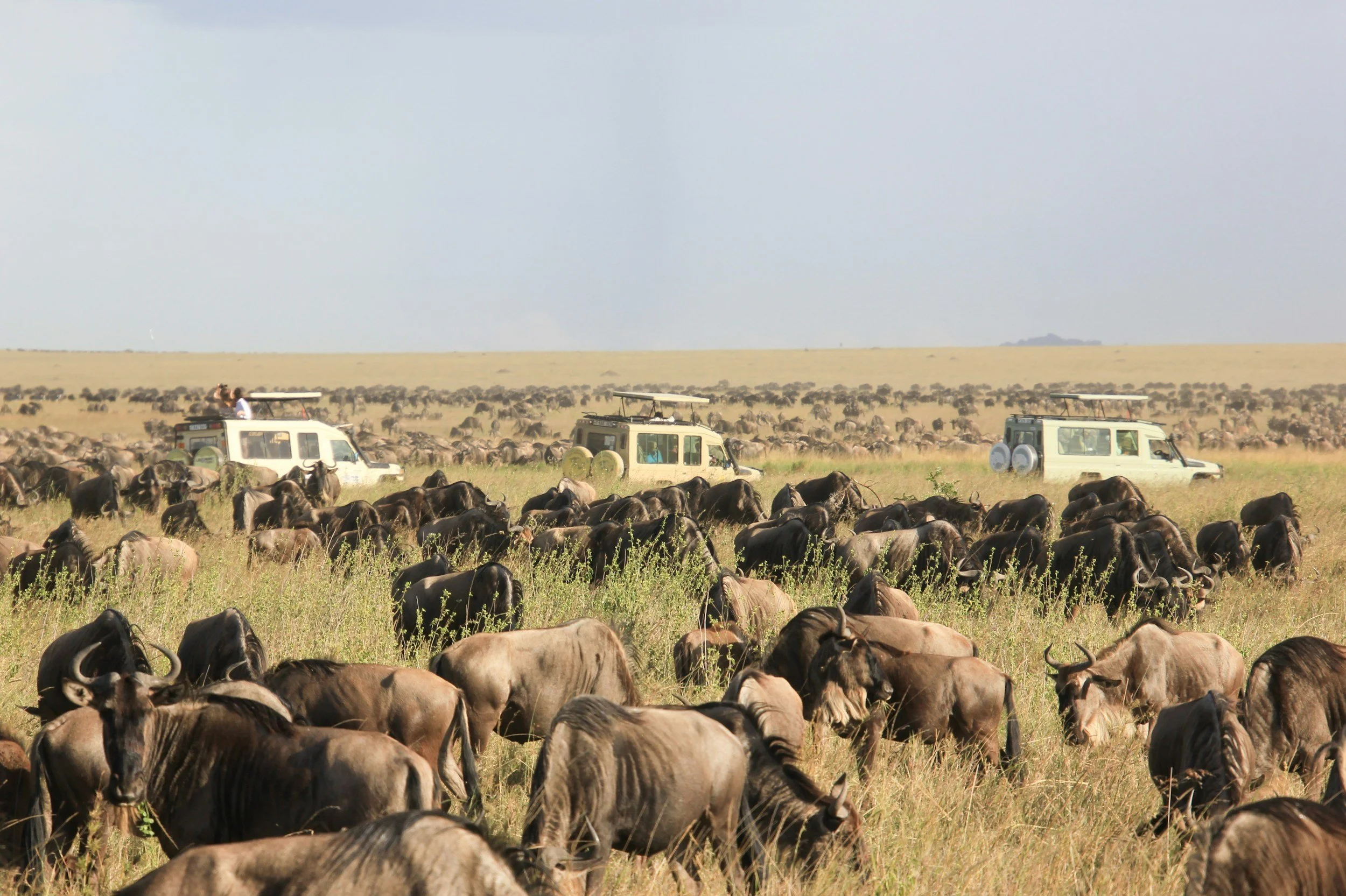
Serengeti National Park
Tanzania’s most iconic park, the Serengeti means endless plains in Maasai. It hosts the Great Migration, over a million wildebeest and zebra sweeping across open grassland, and some of Africa’s densest concentrations of lion, cheetah, and leopard.
Ngorongoro Crater
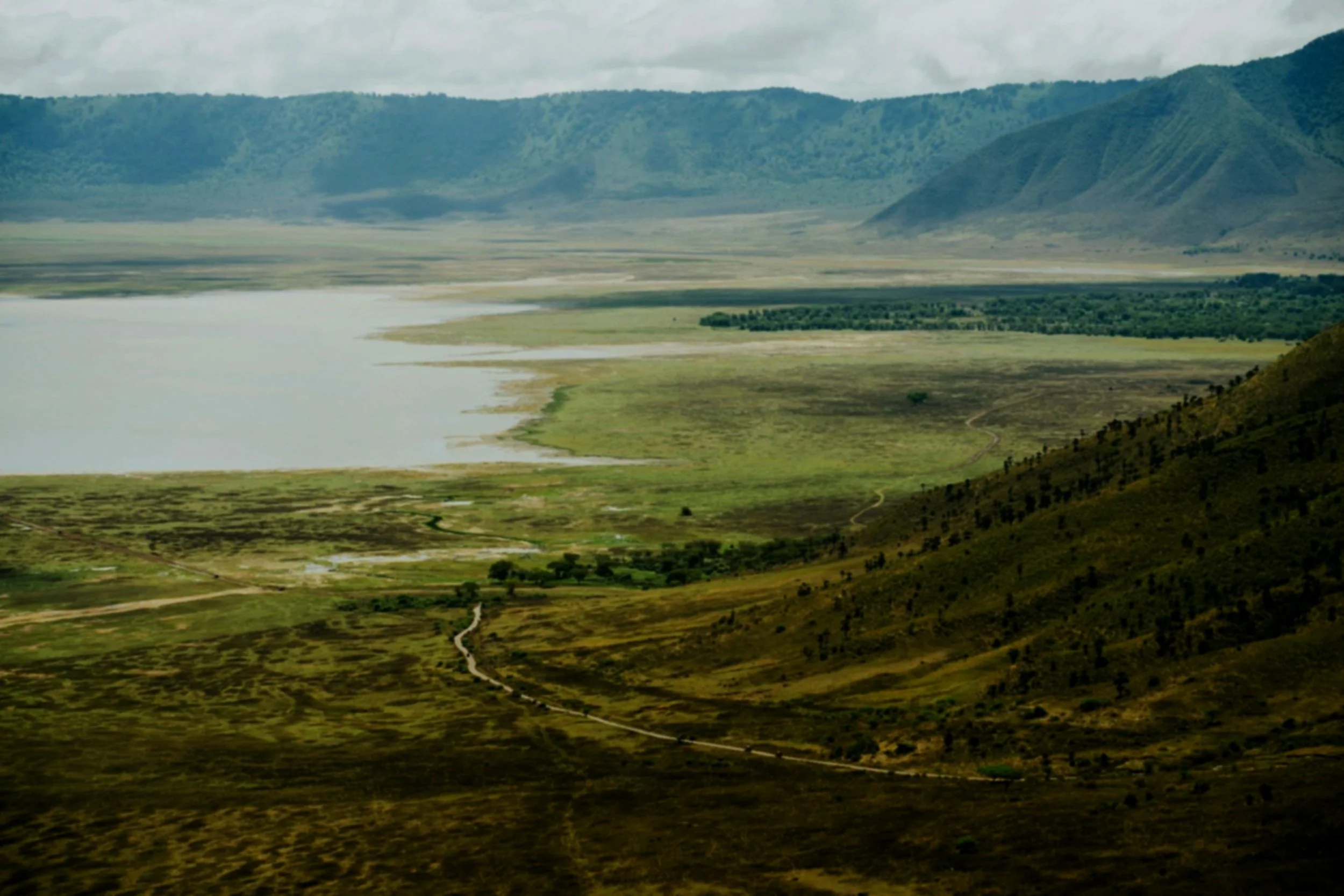
The world’s largest intact volcanic caldera, roughly 19 kilometers across. Its crater floor holds one of Africa’s densest wildlife concentrations, including black rhino, alongside Maasai communities who still graze cattle within the conservation area.
Often called Africa’s Garden of Eden, the crater rim offers sweeping views over the wildlife-rich floor below.
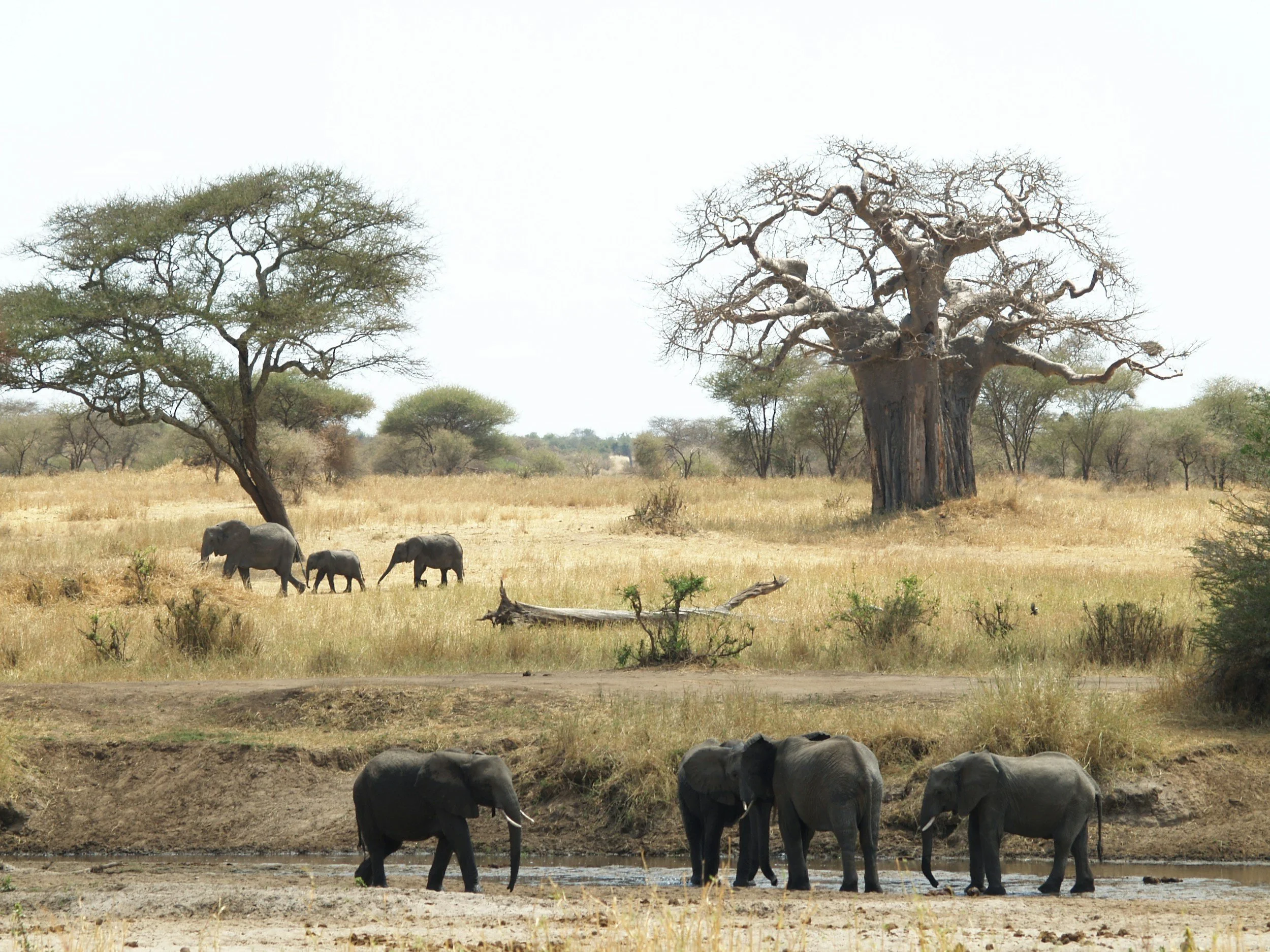
Tarangire National Park
Known for its ancient baobab trees and the largest elephant herds in Tanzania. The Tarangire River is a dry-season lifeline, drawing wildlife in dense concentrations and supporting over 550 recorded bird species.
Mkomazi National Park
A remote, semi-arid park bordering Kenya’s Tsavo, run in partnership with the George Adamson Wildlife Preservation Trust. Mkomazi is home to one of Tanzania’s only black rhino sanctuaries and a wild dog breeding program.
Scenic views of the Pare and Usambara Mountains frame the plains, making it a quiet, uncrowded alternative to Tanzania’s northern circuit parks.
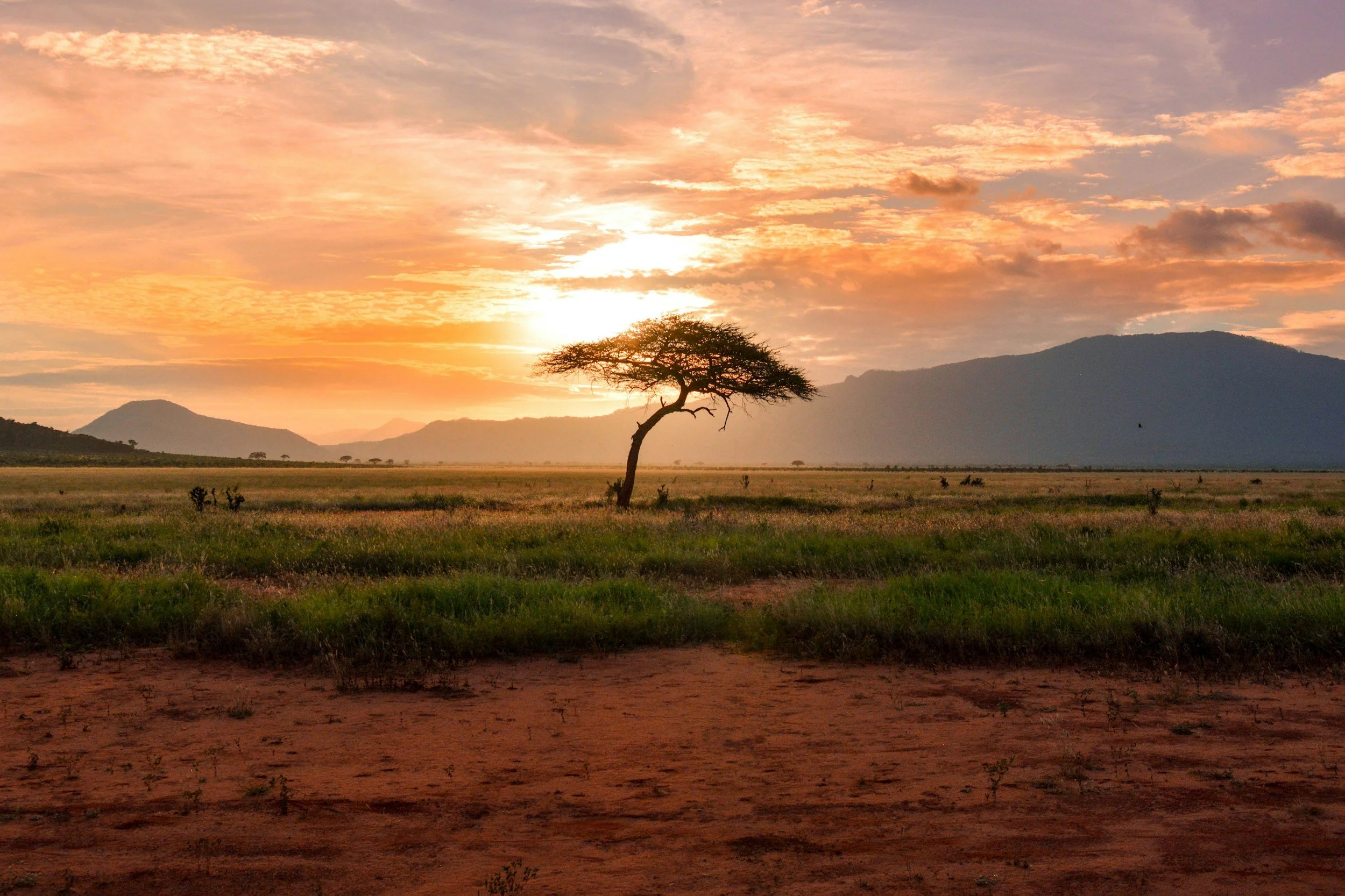
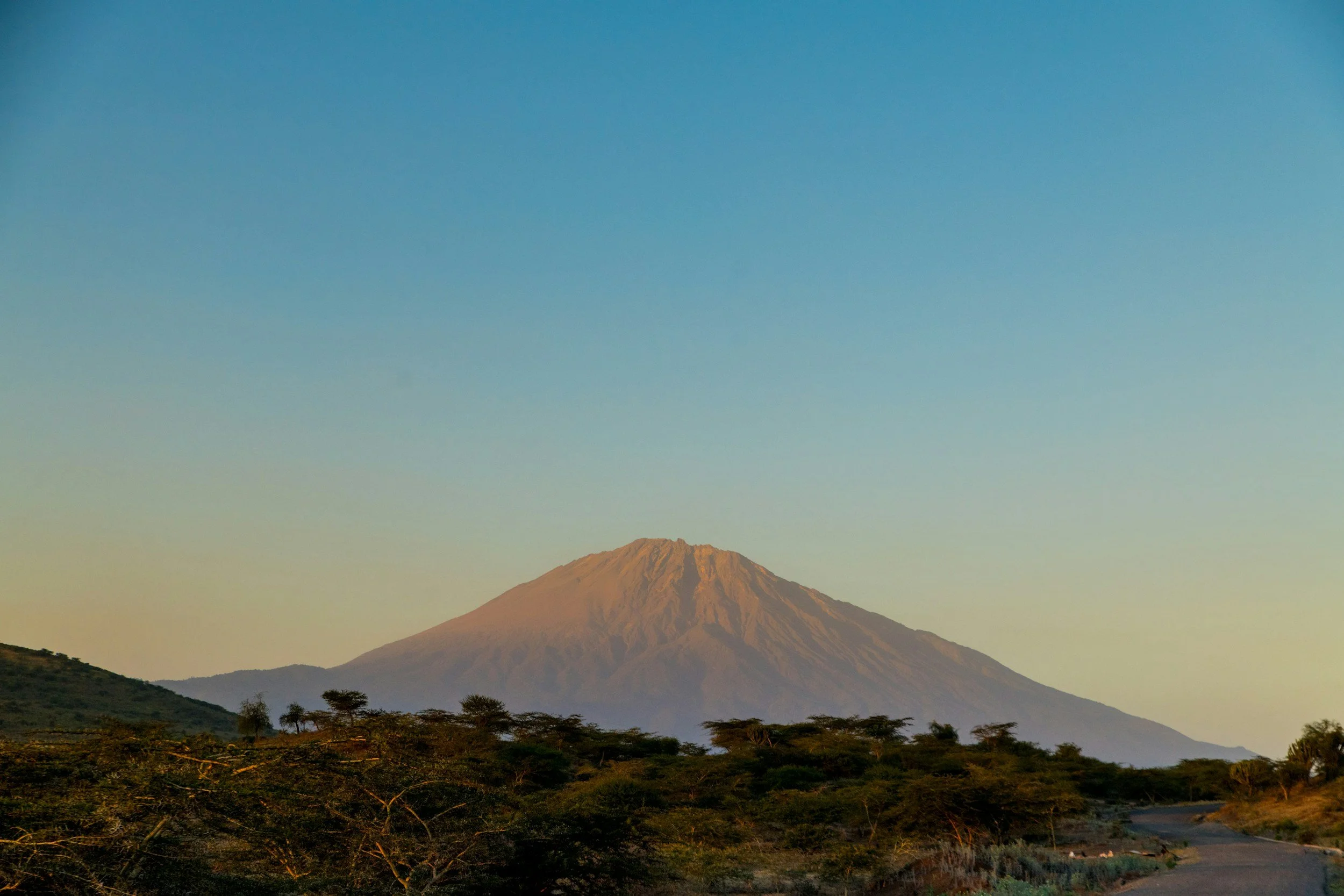
Arusha National Park
A compact, scenic park anchored by Mount Meru, Tanzania’s second-highest peak. Home to the Momella Lakes and their flamingo flocks, plus giraffes, buffalo, and black-and-white colobus monkeys, best explored on foot or by canoe.